First Year in Tolyatti: Practical Parenting Tips, Early Development, and Baby Activities
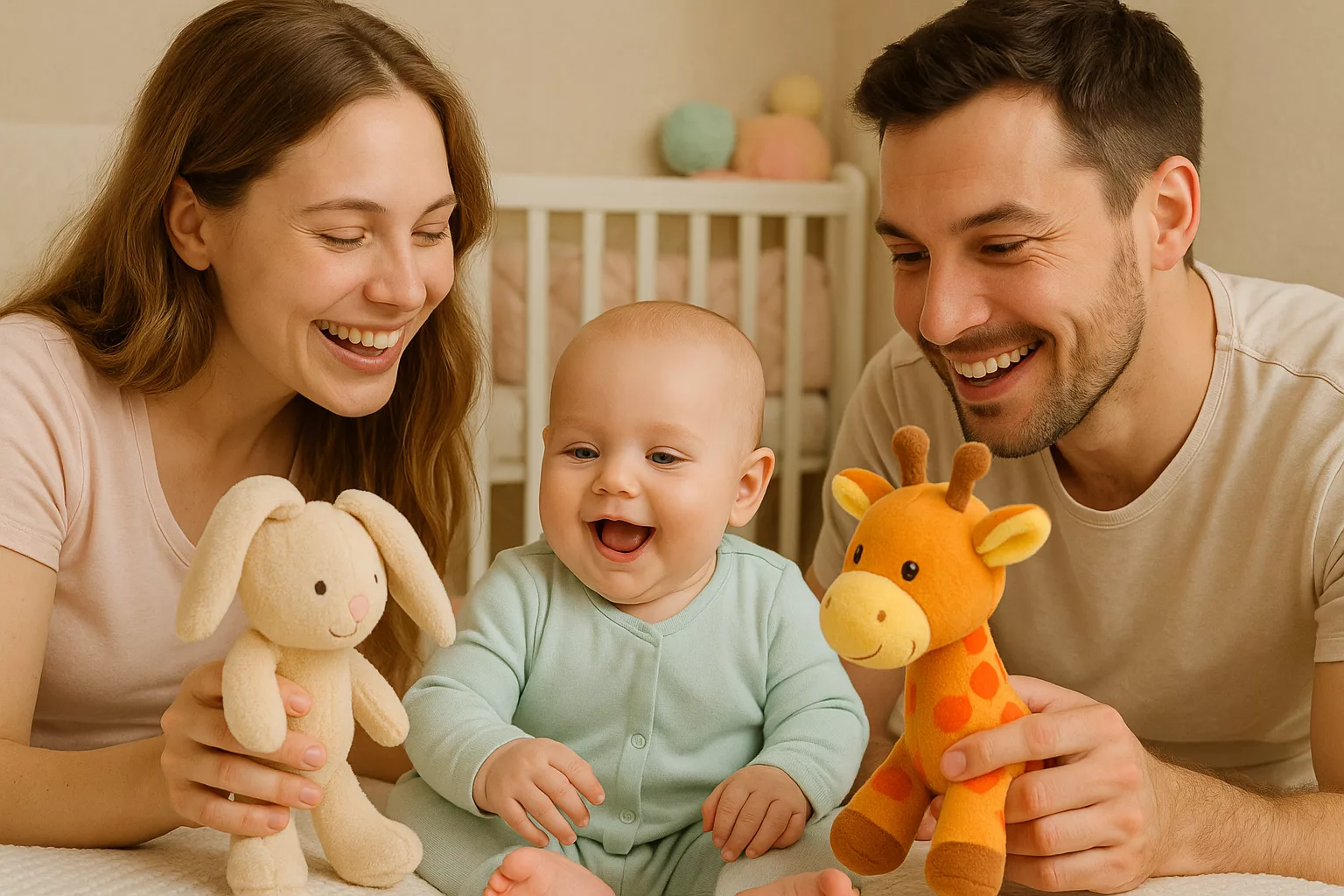
First Year in Tolyatti: Practical Parenting Tips, Early Development, and Baby Activities
Welcome to the exciting — and sometimes overwhelming — first year of your baby’s life. This quick guide focuses on practical newborn care, age‑appropriate activities to support development, and local ideas specific to parents in Tolyatti (weather, community resources and everyday life taken into account). Always follow advice from your pediatrician and local health services.
—
Quick principles to remember
— Prioritize responsive caregiving: notice cues, respond with warmth and consistency.
— Sleep, feed, safe environment = foundation for development.
— Simple, repeated interactions (talking, singing, cuddling) build the brain.
— Use outdoor time when possible — fresh air and gentle movement are great for baby and caregiver.
—
Newborn essentials and early parenting tips
— Feeding:
— Breastfeeding is recommended when possible; seek help from a lactation consultant at your perinatal center or polyclinic if needed.
— For formula feeding, follow preparation and storage guidance on the product and your pediatrician’s instructions.
— Sleep:
— Back to sleep for naps and night to reduce SIDS risk.
— Keep sleep environment firm, clutter‑free, and smoke‑free.
— Hygiene & care:
— Basic bathing several times a week is fine; sponge baths until the umbilical stump falls off.
— Keep nails trimmed, check the umbilical area, and monitor skin for rashes.
— Medical care:
— Register with a local pediatrician/poliklinika and keep routine checkups and vaccination schedule up to date.
— For any fever, feeding refusal, breathing issues, or unusual lethargy, contact medical services immediately.
— Practical in Tolyatti:
— Dress in layers for the variable continental weather — winters are cold and summers can be warm.
— Choose a stroller suited for local sidewalks and snowy conditions if you plan year‑round walks.
—
Development by age — what to expect and activities that help
0–3 months
— Typical skills: focuses on faces, lifts head briefly on tummy, responds to voice, begins social smiling.
— Activities:
— Skin‑to‑skin, lots of talking and singing.
— 2–3 short tummy‑time sessions daily (start with minutes and increase).
— High‑contrast toys and simple mobiles for visual tracking.
3–6 months
— Typical skills: stronger head control, rolling, reaches and grasps, begins babbling.
— Activities:
— Supported sitting games, reaching and passing soft toys.
— Mirror play (safe baby mirror on the floor).
— Simple songs with clapping and finger plays (encourages rhythm and language).
6–9 months
— Typical skills: sits independently, may crawl, uses pincer grasp beginning, responds to own name.
— Activities:
— Object permanence games (peek‑a‑boo), cause‑and‑effect toys (blocks to stack/drop).
— Reading short picture books daily.
— Safe exploration on different surfaces (blanket, low mat).
9–12 months
— Typical skills: pulls to stand, maybe cruising, first words, intentional gestures.
— Activities:
— Encourage cruising with low furniture, push toys for walking practice.
— Simple routines and naming objects to build vocabulary.
— Playdates and baby groups for social skills.
—
Daily routine sample (flexible)
— Morning: feed, play (tummy time or stroller walk), short nap.
— Midday: feed, quiet play/reading, nap.
— Afternoon: outing or group class (if you have one), feed, nap.
— Evening: calm routine — bath, feed, story, sleep.
Adjust based on baby’s cues; routine helps babies feel secure.
—
Safety and baby‑proofing basics
— Always supervise on raised surfaces; never leave baby unattended on changing table or sofa.
— Secure furniture, cover electrical outlets, keep small objects and hot liquids out of reach.
— Use rear‑facing car seat for as long as local guidelines recommend; install properly.
— Keep walking routes safe in winter — watch for icy sidewalks and consider stroller with good traction.
—
Local resources & ideas in Tolyatti
— Outdoor spots: regular stroller walks along the Volga embankment and local parks (pick frost‑friendly times in winter and shady routes in summer).
— Community spaces: municipal family centers, dom kultury (cultural houses), and libraries often run parent‑and‑baby classes, story times, and events — check local schedules.
— Health services: register and stay in touch with the local polyclinic/pediatrician and perinatal centers for checkups, immunizations and growth monitoring.
— Parent groups: look for local VKontakte groups, Telegram chats, or community bulletin boards for playdates, used baby gear exchanges, and recommendations for baby specialists.
— Classes/activities: many pools, music schools, and early‑development centers in Tolyatti offer infant swimming, baby music and motor skills classes — consider these after consulting with your pediatrician.
—
Practical checklist for the first year
— Register with a pediatrician/poliklinika.
— Thermometer, nail clippers, soft bath tub, baby first‑aid basics.
— Appropriate car seat and winter/summer stroller gear.
— A selection of board books, soft toys, and a baby blanket for tummy time.
— Contact list: emergency numbers, pediatrician, local health center.
—
When to ask for help
— Baby has persistent fever, difficulty breathing, poor feeding, or unusual lethargy.
— Concerns about hearing, vision, or missing developmental milestones — early support improves outcomes.
— Parental mental health: if you feel overwhelmed, depressed, or anxious, seek help from family, community resources, or your doctor. Postpartum support is important and available.
—
Parenting in Tolyatti means combining everyday practicalities (weather, local services) with the same warm, responsive care any infant needs. Small, consistent interactions — talking, reading, cuddling, safe exploration — will give your baby the best start. Connect with your local pediatrician and community groups to build support as you go.
If you’d like, I can:
— Draft a simple weekly activity schedule by month; or
— Suggest conversation starters and songs in Russian for daily routines.