Раннее развитие ребёнка и советы молодым родителям в Тольятти: занятия для первых 12 месяцев

Введение
Рождение ребёнка — радостное и одновременно тревожное событие. Для родителей в Тольятти (континентальный климат Самарской области, холодные зимы и тёплое лето) важно сочетать общие принципы раннего развития с учётом местных условий. Ниже — практическое руководство по уходу за новорождённым, развитию по месяцам и идеям для игр и прогулок в первые 12 месяцев.
Первые дни и уход за новорождённым
— *Кормление:* наладьте режим, следуйте рекомендациям педиатра и консультанта по грудному вскармливанию; стремитесь к прикладыванию по требованию в первые месяцы.
— *Сон:* безопасное место для сна — жёсткий матрас, спальное место без мягких игрушек и одеял; укладывайте ребёнка на спину.
— *Гигиена и пупок:* следуйте советам медперсонала роддома по уходу за пупочной ранкой.
— *Контакты:* много носите на руках, кожный контакт (kangaroo care) помогает установлению связи и терморегуляции.
— *Поддержка:* ищите местные группы молодых родителей, консультации в поликлинике и перинатальном центре — это полезно для обмена опытом и получения помощи.
Развитие по возрастным этапам (ключевые навыки и занятия)
0–3 месяца
— Навыки: зрительное следование, узнавание голоса, рефлексы, первые улыбки.
— Занятия:
— короткое «tummy time» (на животике) несколько раз в день по 1–3 минуты, постепенно увеличивая время;
— мягкие контрасты (чёрно‑белые карточки) для стимуляции зрения;
— разговоры и пение — развивают слух и язык.
4–6 месяцев
— Навыки: перевороты, держание головы, хватание предметов, первые звуки.
— Занятия:
— игрушки‑погремушки, безопасные кольца для хватания;
— сидячая поддержка (подушки) для тренировки спины;
— игру «прятки» и чтение коротких книг с яркими картинками.
7–9 месяцев
— Навыки: сидение уверенно, ползание, первые жесты (указывание), лепет.
— Занятия:
— подложите безопасные предметы на разной высоте, чтобы побуждать к ползанию;
— игры на самостоятельное исследование (коробки с безопасными предметами);
— простые песенки с движениями.
10–12 месяцев
— Навыки: подтягивание к опоре, стояние, первые шаги, понимание простых просьб.
— Занятия:
— игры с толкателями и каталками;
— творчество: безопасные карандаши‑мелки, пальчиковые краски (под присмотром);
— чтение и простые команды: «дай», «посмотри».
Ежедневный распорядок и советы по рутинам
— Установите гибкий распорядок: сон, кормление, активность и отдых. Ребёнок чувствует себя спокойнее при предсказуемости.
— Включайте короткие и частые сессии игр — у малышей быстро снижается внимание.
— Используйте прогулки для сна и стимуляции: в Тольятти свежий воздух у Волги и в парках хорошо подходит для дневных прогулок — в тёплое время года дайте ребёнку возможность наблюдать окружение, а зимой — одевайте по сезону и ограничьте время на морозе.
— Переходы: поощряйте самостоятельность (например, брать игрушку) и укрепляйте позитивной похвалой.
Практические игры и материалы (по доступности в Тольятти)
— Новорождённым: шуршащие ткани, погремушки, зеркальце (безопасное).
— 3–6 месяцев: игрушки для прорезывания зубов, мягкие книжки, кубики с контрастными рисунками.
— 6–12 месяцев: простые пирамидки, наборы для сортировки форм, музыкальные игрушки, толкатели.
— Все материалы выбирайте без мелких деталей, с безопасными материалами и легко моющиеся.
Социализация и внешние ресурсы
— Посещайте детские группы и занятия в городских центрах (мамины клубы, бассейн для малышей) — важны для развития коммуникации и моторики.
— Библиотеки и культурные площадки часто проводят занятия для малышей; прогулки по набережной или в зелёных зонах помогают разнообразить стимулы.
— Попросите у поликлиники информацию о местных группах поддержки молодых родителей и о графике прививок.
Безопасность и здоровье
— Установите и используйте автокресло, соответствующее возрасту и весу ребёнка; соблюдайте правила перевозки детей.
— Проведите базовую «детскую» подготовку квартиры: фиксация мебели, защита розеток, уберите мелкие предметы.
— Следите за температурой в квартире зимой — влажность и сухой тёплый воздух могут влиять на слизистые. Используйте увлажнитель при необходимости.
— При признаках болезни (температура, затруднённое дыхание, вялость) — немедленно свяжитесь с педиатром.
Сезонные особенности Тольятти
— Зима: короткие прогулки на свежем воздухе в тёплой одежде, избегайте долгого пребывания при сильном морозе; проветривайте комнату
First Year in Tolyatti: Practical Parenting Tips, Early Development & Baby Activities

Welcome to the first year
Raising a baby in Tolyatti is a special journey—full of tiny milestones, riverside walks, and lots of learning for both child and parents. This guide gives practical, evidence-based tips for newborn care, simple activities to support development month-by-month, safety reminders, and ideas for local resources to help you through the first 12 months.
—
Quick principles to keep in mind
— *Responsive caregiving*: notice and respond to your baby’s cues—this builds secure attachment and supports brain development.
— *Safe exploration*: create a safe environment so your baby can practice new skills.
— *Consistency and routines*: predictable patterns help babies feel secure and learn.
— *Ask professionals*: for medical or developmental concerns, consult your pediatrician at your local polyclinic or hospital.
—
Newborn essentials (0–2 months)
What really matters now:
— Bonding: skin-to-skin contact, frequent cuddling, gentle talking and singing.
— Feeding: breastfeed on demand if possible; formula feeding is a safe alternative when needed. Watch weight gain and follow pediatric advice.
— Sleep: newborns sleep many times a day—practice safe sleep (baby on back, firm mattress, no loose bedding).
— Soothing: swaddling, white noise, gentle rocking, feeding, and offering a calm environment.
Sample brief newborn day:
— Feed + diaper change → awake time for cuddles (10–30 min) → sleep.
— Expect 8–12 feeds per 24 hours for breastfed babies in the early weeks.
—
Feeding tips
— Breastfeeding: seek help early if you have pain or concerns (ask maternity ward nurses, lactation consultants, or local breastfeeding support groups).
— Formula: prepare and store formula following instructions; use boiled/filtered water if advised.
— Introduce solids around 6 months (consult pediatrician), starting with single-ingredient purees or soft foods.
— Offer water in small amounts after solids; avoid juices and sweet drinks.
—
Sleep guidance
— Safe sleep: baby on back, firm surface, no pillows/soft toys, room temperature comfortable.
— Establish a bedtime routine (bath, feed, story or lullaby, dim lights).
— Expect sleep regressions around 4 months and 8–10 months—stay consistent and reassuring.
—
Soothing and bonding techniques
— Skin-to-skin and baby massage promote calm and digestion.
— Talk, sing, and narrate daily activities to build language.
— Use eye contact and imitate sounds to encourage interaction.
— Use gentle routines for naptime and bedtime to help baby learn cues.
—
Developmental activities by age
Focus on simple, repeatable activities that match your baby’s abilities.
0–3 months
— Tummy time: several short sessions daily (start with 1–2 minutes, build to 10–15 minutes total). Strengthens neck and shoulders.
— Face-to-face time: make different facial expressions; sing simple songs.
— High-contrast cards or books: to stimulate visual tracking.
4–6 months
— Reaching and grasping: give soft toys with different textures and safe rings to hold.
— Sit-supported play: build core strength and hand-eye coordination.
— Cause-and-effect toys: rattles, toys that make sound when banged.
— Read daily: simple board books with pictures and rhythm.
7–9 months
— Object permanence games: peekaboo, hide-and-reveal with scarves or cups.
— Crawling encouragement: place toys slightly out of reach.
— Finger-food introduction: supervised self-feeding with soft pieces (if pediatrician approves).
— Simple imitation: clap, wave, or make animal sounds and encourage baby to copy.
10–12 months
— Cruising and standing: safe furniture to pull up on, supervised steps.
— Stacking and nesting toys: early problem solving and fine motor skills.
— Building routines: simple songs with actions, naming body parts.
— First words: encourage babbling and praise attempts at speech.
General: repeat activities often—babies learn through repetition.
—
Safety & health reminders
— Follow your child’s vaccination schedule—confirm dates with your pediatrician (local clinics in Tolyatti follow national guidelines).
— Use a properly installed infant car seat for every trip by car.
— Babyproof the home as your child becomes mobile: secure furniture, cover outlets, remove choking hazards.
— Temperature and weather: in Tolyatti winters can be cold—dress in layers and avoid prolonged exposure to severe cold; in summer, protect from strong sun near the Volga.
— If fever, poor feeding, persistent vomiting, breathing difficulty, or unusual lethargy occur—contact emergency services or your pediatrician immediately.
—
Routine examples
Newborn (sample)
— 07:00 Feed → awake/cuddle → nap
— 09:00 Feed → tummy time/play → nap
— 12:00 Feed → diaper + quiet play → nap
— Evening: calming routine + bedtime (flexible; newborns wake often)
6–9 months (sample)
— Morning: wake, breakfast solids, play
— Midday: nap, lunch solids, outdoor walk
— Afternoon: play session, short nap
— Evening: bath, book, final feed, sleep
Adjust to your baby’s cues—every infant differs.
—
Parental self-care & support
— Sleep when the baby sleeps when possible; accept help from family and friends.
— Join local parent groups or online communities in Tolyatti to exchange tips and get emotional support.
— If you feel persistently overwhelmed, anxious, or depressed, seek professional help—postpartum mood issues are common and treatable.
—
Local resources in Tolyatti (how to find them)
— Pediatric clinics and children’s polyclinics: your local polyclinic (detstskaya poliklinika) provides regular checkups and vaccinations.
— Maternity and perinatal centers: for breastfeeding help and neonatal advice—ask your obstetrician or hospital staff for referrals.
— Early development classes and playgroups: look for municipal family centers, private baby gyms, and library story hours—great for socialization, especially in colder months.
— Online groups: local parenting forums
Early Childhood Development and Practical Parenting Tips for Newborns in Tolyatti: Activities for Baby’s First Year

Introduction
Welcoming a baby in Tolyatti is an exciting time filled with questions about feeding, sleep, milestones, and ways to stimulate healthy development. This guide gives practical, evidence-based tips for newborn care and age‑appropriate activities across the first year — plus local, seasonal ideas suited to life in Tolyatti (набережная, parks, cold winters and warm summers).
Newborn essentials (0–3 months)
— Feeding
— Follow hunger cues: rooting, sucking, lip smacking. Aim for frequent feeds in the early weeks.
— Seek help early if breastfeeding is painful or difficult — contact your local pediatrician, maternity clinic, or a breastfeeding consultant.
— If using formula, prepare and store bottles safely and follow pediatric guidance on amounts and timing.
— Sleep and safe sleep
— Place babies on their backs on a firm mattress with no loose bedding, pillows, or soft toys.
— Maintain a comfortable room temperature and avoid overheating.
— Encourage daytime wake windows of short, predictable lengths; newborns sleep frequently.
— Bonding and soothing
— Skin‑to‑skin contact helps feeding, calming, and temperature regulation.
— Respond promptly to crying to build trust and support emotional regulation.
— Health and checkups
— Attend scheduled pediatric visits and follow the national immunization plan — discuss timing with your pediatrician.
— Keep emergency numbers handy (112) and know the nearest polyclinic or hospital.
Developmental activities by age
Simple, short, and repetitive activities are best. Emphasize face time, touch, and language.
— 0–3 months
— Tummy time: several short sessions daily (supervised) to strengthen neck and shoulders.
— Talk, sing, and make eye contact; imitate baby sounds.
— High‑contrast cards or black‑and‑white patterns for brief visual stimulation.
— 3–6 months
— Reaching and grasping: offer safe rattles and soft toys of different textures.
— Rolling practice and supported sitting to build core strength.
— Play peek‑a‑boo and introduce simple cause‑and‑effect toys (push buttons, soft pop toys).
— 6–9 months
— Solid foods introduction (as advised by your pediatrician): let baby explore textures and self‑feed with supervision.
— Crawling encouragement: obstacle courses using pillows, tunnels, and motivating toys.
— Language: name objects, read short board books, and use expressive facial cues.
— 9–12 months
— Cruising and first steps: provide safe furniture to hold on to and clear pathways.
— Fine motor: stacking cups, simple puzzles, finger foods to practice pincer grasp.
— Social play: simple turn‑taking games and supervised playdates to build early social skills.
Sample daily rhythm (flexible)
— Morning: feed, diaper change, awake play (talking, tummy time), short nap.
— Midday: longer wake period with active play, sensory exploration, feeding, nap.
— Afternoon: stroll on the embankment or indoor play session, quiet reading.
— Evening: wind‑down routine — bath (if used), gentle massage, quiet feed, sleep.
Adjust all routines to your baby’s cues and developmental stage.
Activities adapted to Tolyatti’s seasons
— Spring/Summer
— Walks along Tolyatti’s embankment (набережная) and in city parks — fresh air, stroller outings, shaded picnic blanket tummy time.
— Early morning or late afternoon outings to avoid midday heat.
— Autumn/Winter
— Indoor classes: baby gymnastics, music, and swim lessons in heated pools (check local pools for baby sessions).
— Soft play areas in malls or community centers for safe crawling and exploration.
— When outdoors, dress babies in layers, use a weatherproof stroller cover, and limit exposure during very cold or windy days.
Safety and health reminders
— Car safety: use a properly installed infant car seat that meets regulations.
— Toy safety: avoid small parts for under‑3s; check age recommendations and non‑toxic materials.
— Household safety: secure cords, cover sockets, anchor heavy furniture as baby becomes mobile.
— Air quality: avoid prolonged exposure near heavy traffic or industrial emissions; choose green spaces when possible.
Local support in Tolyatti
— Pediatric care: register with your local polyclinic (детская поликлиника) and attend routine checkups and vaccinations.
— Parenting groups: look for local moms’ clubs, baby‑and‑me classes, and online communities (VKontakte groups for Tolyatti parents) for shared tips and social support.
— Libraries and cultural centers often host baby story times and early literacy events — great for socialization and language exposure.
— When in doubt about development or health, call your pediatrician or emergency services (112) for urgent concerns.
Practical tips for new parents
— Sleep when the baby sleeps where possible; accept
Raising a Happy, Healthy Baby in Tolyatti: Early Development, Newborn Care, and Activities for the First Year

Introduction
Becoming a parent in Tolyatti is exciting and full of questions. The first year lays the foundation for your baby’s physical, emotional, and cognitive development. This guide gives practical newborn-care tips, month-by-month milestones, and simple activities you can do at home or around Tolyatti to support healthy development during months 0–12.
Newborn care essentials
— Regular pediatric visits: Keep check-ups with your local детская поликлиника (children’s clinic) and follow your pediatrician’s advice for growth checks and immunizations.
— Feeding: Breastfeeding is encouraged when possible; formula feeding is an appropriate alternative if needed. Feed on demand for newborns, and consult your pediatrician if you worry about weight gain or feeding patterns.
— Diapering & hygiene: Change diapers frequently, dry the skin well, and use gentle cleansers. During colder months, protect delicate skin with suitable emollients.
— Dressing for the climate: Tolyatti has cold winters and warm summers — layer clothing, protect head/hands/feet in winter, and avoid overdressing indoors.
— Safe sleep: Place baby on their back in a firm, clear crib mattress; keep loose bedding, pillows, and soft toys out of the sleep area.
— Car safety: Use an age- and size-appropriate car seat installed correctly; many Russian families rely on rear-facing seats for infants. Check local rules and certified installation guidance.
Sleep, soothing, and routines
— Expect variable sleep: Newborns sleep often in short stretches. By 3–4 months, many begin longer night stretches.
— Create gentle routines: Calm bedtime rituals (bath, quiet song, dim lights) help sleep associations form.
— Soothing techniques: Swaddling, white noise, gentle rocking, or a warm bath soothe many infants. Responding promptly to a crying baby helps emotional security.
Developmental milestones (broad guide)
Note: Babies develop at their own pace. If you’re concerned, talk with your pediatrician.
— 0–2 months:
— Lifts head briefly when on tummy
— Focuses on faces; follows objects briefly
— Begins social smiles
— 3–5 months:
— Rolls front-to-back (and possibly back-to-front)
— Reaches and grasps toys; brings hands to mouth
— Babbles and explores voice sounds
— 6–8 months:
— Sits with/without support; may sit steadily
— Transfers objects hand-to-hand; rakes small items
— Recognizes familiar voices; responds to name
— 9–12 months:
— Crawls, pulls to stand, may take first steps
— Uses first words («mama,» «papa») and gestures (pointing)
— Explores cause and effect (drops, bangs toys)
Activities to support development (by age group)
Focus on interaction, not expensive toys. Many experiences can be done at home or in local Tolyatti spaces.
— 0–3 months: Sensory bonding
— Skin-to-skin contact, gentle massage
— Tummy time for short sessions (start with minutes several times daily)
— Simple black-and-white or high-contrast cards for visual tracking
— Sing lullabies and narrate what you’re doing to encourage early language
— 3–6 months: Movement and social play
— More tummy time with toys to encourage reaching and rolling
— Mirror play (baby-safe mirror) to encourage self-recognition
— Rattles and textured toys to develop grasp and cause-and-effect
— Short walks along the Volga embankment in good weather — fresh air and different sights
— 6–9 months: Exploration and language
— Play peekaboo, pat-a-cake, and simple hide-and-seek with toys
— Offer safe objects to practice pincer grasp (large pieces of soft fruit or baby crackers under supervision)
— Read board books daily with expressive voices
— Visit indoor family rooms or warm cafés with play corners during winter
— 9–12 months: Mobility and object use
— Push-toy walking practice, obstacle cushions to cruise along
— Stacked cups, nesting toys, and simple shape sorters
— Encourage imitation: clapping, waving, simple household helper games
— Organized baby groups or Mommy & Me classes (look for local offerings in Tolyatti) for socialization
Practical tips for Tolyatti parents
— Seasonal planning: Winter walks require insulated stroller covers, warm layers, and safe walking routes — consider shopping centers or community halls for indoor play on very cold days.
— Stroller and transport: Choose a stroller suited to local pavements and tram stops; some areas have rough surfaces and stairs, so a durable wheel and a lightweight carry option help.
— Local places to explore: Stroller-friendly promenades, parks near the Volga, public libraries with children’s corners, and shopping-center playrooms are good for short outings and social exposure.
— Language environment: Speak, sing, and read in the language(s) you want your child to learn. Early exposure to conversation and books builds vocabulary quickly.
Safety at home and out
— Keep small objects, cords, and plastic bags out of reach.
— Anchor furniture, cover sharp edges, and use stair gates if you have steps.
— Follow vaccine guidance from your pediatrician and the local health authorities.
— Make emergency contacts and your pediatrician’s details easy to find.
Parental wellbeing and support
— Parenting in the first year is demanding — rest when you can, accept help from family or trusted friends, and consider local parent groups for companionship and advice.
— If you feel overwhelmed, anxious, or depressed, seek support from medical professionals or local family services. Emotional health helps you care for your baby.
When to contact your pediatrician sooner
— Poor feeding or little to no urine output for a day
— High fever in a young infant, persistent vomiting, or difficulty breathing
— Unusual lethargy, jaundiced skin that worsens, or a bulging fontanelle
— Concerns about hearing, vision, or lack of expected responses
Quick checklist for the first year
— Keep up with regular well-baby visits and growth tracking
— Offer plenty of face-to-face interaction and reading time
Growing Together in Tolyatti: Practical Early Childhood Development Tips, Newborn Care, and Activities for Baby’s First Year
Introduction
Bringing a baby into the world is thrilling and overwhelming at once. This guide combines evidence-based early childhood development principles with practical parenting tips tailored to life in Tolyatti — considering seasonal weather, local resources, and everyday routines. Use it as a friendly roadmap, and always check with your pediatrician or local health services for medical questions.
Newborn care essentials (first 0–3 months)
— Feeding
— Aim for responsive feeding: feed on cues rather than strict clocks. Breastfeeding is recommended when possible; seek lactation support at your maternity hospital or community clinics.
— If formula feeding, follow preparation and storage guidelines and discuss appropriate formulas with your pediatrician.
— Sleep and safe sleep
— Place baby on their back for every sleep on a firm mattress, without loose bedding, pillows, or soft toys.
— Room-sharing (baby in the same room) is recommended for the first 6 months; avoid bed-sharing.
— Temperature and dressing
— Tolyatti’s cold winters mean dressing baby in layers; indoors, avoid overheating. A simple rule: dress baby in one more layer than an adult would wear.
— Use a humidifier in heated apartments during winter to prevent dry air.
— Hygiene and cord care
— Keep umbilical stump clean and dry until it falls off. Bathing can be done with sponge baths initially if needed.
— When to seek urgent medical care
— For babies under 3 months: rectal temperature ≥ 38.0°C, difficulty breathing, poor feeding, unusual drowsiness or irritability — contact your pediatrician or emergency services immediately.
Developmental milestones (typical ranges)
Use these as general guides; every baby develops at their own pace.
— 0–3 months: lifts head during tummy time, follows faces/objects, social smile, cooing sounds.
— 4–6 months: reaches and grasps, rolls both ways, sits with support, babbles, recognizes familiar faces.
— 7–9 months: sits steadily, begins crawling or scooting, responds to name, imitates sounds, starts pincer grasp.
— 10–12 months: pulls to stand, cruises, may take first steps, says “mama/dada” specifically, understands simple commands.
If you have concerns about growth or development, discuss them at routine check-ups at your local pediatric clinic (поликлиника).
Activities and play ideas by age
— 0–3 months
— Skin-to-skin and lots of talking/singing — builds attachment and brain connections.
— Short tummy time sessions (a few minutes several times daily) to strengthen neck and shoulder muscles.
— High-contrast cards or simple black-and-white patterns.
— 3–6 months
— Reaching/grasping games with safe toys; introduce soft rattles and textured cloths.
— Mirror play: let baby see their reflection for social development.
— Simple cause-and-effect toys (e.g., soft blocks that fall).
— 6–9 months
— Encouraging sitting and transferring objects between hands.
— Peek-a-boo, pat-a-cake, and hiding toys under cups to teach object permanence.
— Start offering age-appropriate complementary foods around 6 months after pediatrician’s advice.
— 9–12 months
— Push-toy cruising practice, assisted standing, finger-food exploration for fine motor skills.
— Read simple board books with clear pictures, name objects, and encourage imitation of sounds and gestures.
— Basic games that encourage problem-solving (stacking rings, nesting cups).
Indoor options for Tolyatti winters (and rainy days)
— Home-based: baby gyms on floor, sensory baskets (different safe textures), music and movement sessions, water play in small tubs for older infants.
— Community: check local libraries, cultural centers, shopping centers and fitness clubs for baby/mother groups, early development or music classes — many cities have VKontakte and Telegram parent groups where events are posted.
— Pools and baby swim classes: many parents choose infant swim classes — confirm hygiene standards and age-appropriateness with the facility and pediatrician.
Outdoor time and stroller tips
— Fresh air benefits mood and sleep — regular walks along the Volga embankment or neighborhood parks are great in warm months.
— In winter, dress baby in layers, use a windproof footmuff in the stroller, and avoid prolonged exposure in extreme cold.
— In crowded public transport, a baby carrier can be more practical than a bulky stroller; but be cautious with bulky coats in carriers (can affect harness fit).
Routine example (flexible)
— Newborn (0–3 months): Eat–sleep–awake brief activity–sleep. Expect 8–12 feedings per 24 hours.
— Baby
Растём вместе: советы по раннему развитию, уходу за новорождённым и активности для ребёнка в первый год (Тольятти)

Введение
Рождение ребёнка — радостное и одновременно напряжённое событие. В первые 12 месяцев закладываются основы физического, эмоционального и когнитивного развития. Эта статья даёт практические советы по уходу за новорождённым, идеи для игр и занятий по месяцам и локальные рекомендации для семей в Тольятти.
Основные принципы ухода за новорождённым
— *Грудное вскармливание* по требованию — важный источник питания и близости. При проблемах — консультируйтесь с педиатром или консультантом по грудному вскармливанию.
— *Сон* в безопасной среде: жёсткий матрас, отсутствие подушек и одеял в кроватке для младенцев, укладывание на спину.
— *Температурный режим*: комфортная температура в комнате 18–22 °C. Зимой учитывайте сильные перепады погоды в Самарской области — одевайте ребёнка по погоде при выходах на прогулку.
— *Контакт и эмоциональная близость*: держите ребёнка на руках, разговаривайте, пойте — это ускоряет развитие привязанности и речи.
— *Профилактические осмотры и прививки*: придерживайтесь календаря вакцинации и плановых осмотров у участкового педиатра.
Первые дни и недели (0–1 месяц)
— Кормление: ориентируйтесь на признаки голода (движения рук ко рту, сосательные движения).
— Сон: новорождённые спят 16–20 часов в сутки. Устанавливайте мягкий режим, не насилуйте.
— Контакт кожа-к-коже: помогает стабилизировать температуру и сон.
— Лёгкий массаж и гимнастика: аккуратные поглаживания, сгибание/разгибание конечностей по 1–2 минуты.
— Что взять на прогулку в Тольятти: нейтральная одежда, защита от ветра и холода зимой, лёгкая накидка весной/осенью.
1–3 месяца: первые взаимодействия
— Развитие: фокусировка взгляда на лицах, улыбки, реакции на голос.
— Игры и стимуляция:
— Контрастные карточки и книги (чёрно-белые или крупные узоры).
— Говорите с ребёнком простыми фразами, комментируйте действия.
— Лёгкие звуковые игрушки и погремушки — поощряйте хватательный рефлекс.
— Режим: формирование кормлений и длительных периодов бодрствования — 1–2 часа.
3–6 месяцев: активное развитие моторики и речи
— Навыки: перевороты, удержание головы, начало сидения с опорой, лепет.
— Игры и занятия:
— «Время на животе» (tummy time) — по несколько минут несколько раз в день, постепенно увеличивая.
— Простые прятки (закрыть лицо платочком и открыть) — тренирует внимание и понимание постоянства объекта.
— Игрушки для развития хватания и манипуляций.
— Выходы: короткие прогулки на Набережной Волги или в городских парках — свежий воздух, смена обстановки.
6–9 месяцев: исследование и первые прикладывания
— Навыки: сидение без опоры, ползание, первые попытки тянуться к предметам, появление первых звуков «ма-ма», «ба-ба».
— Игры и занятия:
— Игры с причинно-следственными игрушками (кнопки, предметы, падающие при толчке).
— Простые конструкторы большого размера, стаканчики для сортировки.
— Чтение коротких картонных книжек с яркими картинками.
— Социализация: групповые занятия или игровые комнаты — полезно для навыков общения; ищите мамские клубы в Тольятти (ВКонтакте, Telegram).
9–12 месяцев: походка, речь и самостоятельность
— Навыки: первые шаги с поддержкой или самостоятельно, более осмысленная имитация слов и действий.
— Игры и занятия:
— Игра «помоги маме/папе» (простые поручения): развивает понимание и послушание.
— Игры с передвижением: каталки, лёгкие толкаемые игрушки.
— Вовлечение в повседневные дела: давайте безопасные предметы, которыми можно «помогать» (пластиковая миска, деревянная ложка).
— Питание: постепенное введение новых текстур, расширение рациона (в соответствии с рекомендациями педиатра).
Безопасность дома и на улице (особенно для Тольятти)
— Дом:
— Защитите углы, спрячьте мелкие предметы, следите за температурой воды для купания.
— Установите барьеры у лестниц, прикрывайте розетки.
— Автокресло:
— Используйте подходящее по возрасту и весу автокресло, правильно фиксируйте в автомобиле.
— На улице:
— В Тольятти зимой много ветров и резких холодов — одевайте ребёнка в несколько слоев, используйте защиту лица и рук.
— Летом защищайте от солнца — лёгкая шапочка, тень на прогулке.
Практические советы по распорядку дня (пример)
— Утро: кормление → сон 1–2 ч → прогулка/игры → кормление.
— День: активное бодрствование с играми и общением, короткие сессии «время на животе».
— Вечер: спокойные занятия, купание, кормление, укладывание — стабильные ритуалы помогают засыпанию.
Локальные ресурсы и где искать помощь в Тольятти
— Педиатры и перинатальные центры: рег
First Year in Tolyatti: Practical Parenting Tips, Early Development, and Baby Activities

First Year in Tolyatti: Practical Parenting Tips, Early Development, and Baby Activities
Welcome to the exciting — and sometimes overwhelming — first year of your baby’s life. This quick guide focuses on practical newborn care, age‑appropriate activities to support development, and local ideas specific to parents in Tolyatti (weather, community resources and everyday life taken into account). Always follow advice from your pediatrician and local health services.
—
Quick principles to remember
— Prioritize responsive caregiving: notice cues, respond with warmth and consistency.
— Sleep, feed, safe environment = foundation for development.
— Simple, repeated interactions (talking, singing, cuddling) build the brain.
— Use outdoor time when possible — fresh air and gentle movement are great for baby and caregiver.
—
Newborn essentials and early parenting tips
— Feeding:
— Breastfeeding is recommended when possible; seek help from a lactation consultant at your perinatal center or polyclinic if needed.
— For formula feeding, follow preparation and storage guidance on the product and your pediatrician’s instructions.
— Sleep:
— Back to sleep for naps and night to reduce SIDS risk.
— Keep sleep environment firm, clutter‑free, and smoke‑free.
— Hygiene & care:
— Basic bathing several times a week is fine; sponge baths until the umbilical stump falls off.
— Keep nails trimmed, check the umbilical area, and monitor skin for rashes.
— Medical care:
— Register with a local pediatrician/poliklinika and keep routine checkups and vaccination schedule up to date.
— For any fever, feeding refusal, breathing issues, or unusual lethargy, contact medical services immediately.
— Practical in Tolyatti:
— Dress in layers for the variable continental weather — winters are cold and summers can be warm.
— Choose a stroller suited for local sidewalks and snowy conditions if you plan year‑round walks.
—
Development by age — what to expect and activities that help
0–3 months
— Typical skills: focuses on faces, lifts head briefly on tummy, responds to voice, begins social smiling.
— Activities:
— Skin‑to‑skin, lots of talking and singing.
— 2–3 short tummy‑time sessions daily (start with minutes and increase).
— High‑contrast toys and simple mobiles for visual tracking.
3–6 months
— Typical skills: stronger head control, rolling, reaches and grasps, begins babbling.
— Activities:
— Supported sitting games, reaching and passing soft toys.
— Mirror play (safe baby mirror on the floor).
— Simple songs with clapping and finger plays (encourages rhythm and language).
6–9 months
— Typical skills: sits independently, may crawl, uses pincer grasp beginning, responds to own name.
— Activities:
— Object permanence games (peek‑a‑boo), cause‑and‑effect toys (blocks to stack/drop).
— Reading short picture books daily.
— Safe exploration on different surfaces (blanket, low mat).
9–12 months
— Typical skills: pulls to stand, maybe cruising, first words, intentional gestures.
— Activities:
— Encourage cruising with low furniture, push toys for walking practice.
— Simple routines and naming objects to build vocabulary.
— Playdates and baby groups for social skills.
—
Daily routine sample (flexible)
— Morning: feed, play (tummy time or stroller walk), short nap.
— Midday: feed, quiet play/reading, nap.
— Afternoon: outing or group class (if you have one), feed, nap.
— Evening: calm routine — bath, feed, story, sleep.
Adjust based on baby’s cues; routine helps babies feel secure.
—
Safety and baby‑proofing basics
— Always supervise on raised surfaces; never leave baby unattended on changing table or sofa.
— Secure furniture, cover electrical outlets, keep small objects and hot liquids out of reach.
— Use rear‑facing car seat for as long as local guidelines recommend; install properly.
— Keep walking routes safe in winter — watch for icy sidewalks and consider stroller with good traction.
—
Local resources & ideas in Tolyatti
— Outdoor spots: regular stroller walks along the Volga embankment and local parks (pick frost‑friendly times in winter and shady routes in summer).
— Community spaces: municipal family centers, dom kultury (cultural houses), and libraries often run parent‑and‑baby classes, story times, and events — check local schedules.
— Health services: register and stay in touch with the local polyclinic/pediatrician and perinatal centers for checkups, immunizations and growth monitoring.
— Parent groups: look for local VKontakte groups, Telegram chats, or community bulletin boards for playdates, used baby gear exchanges, and recommendations for baby specialists.
— Classes/activities: many pools, music schools, and early‑development centers in Tolyatti offer infant swimming, baby music and motor skills classes — consider these after consulting with your pediatrician.
—
Practical checklist for the first year
— Register with a pediatrician/poliklinika.
— Thermometer, nail clippers, soft bath tub, baby first‑aid basics.
— Appropriate car seat and winter/summer stroller gear.
— A selection of board books, soft toys, and a baby blanket for tummy time.
— Contact list: emergency numbers, pediatrician, local health center.
—
When to ask for help
— Baby has persistent fever, difficulty breathing, poor feeding, or unusual lethargy.
— Concerns about hearing, vision, or missing developmental milestones — early support improves outcomes.
— Parental mental health: if you feel overwhelmed, depressed, or anxious, seek help from family, community resources, or your doctor. Postpartum support is important and available.
—
Parenting in Tolyatti means combining everyday practicalities (weather, local services) with the same warm, responsive care any infant needs. Small, consistent interactions — talking, reading, cuddling, safe exploration — will give your baby the best start. Connect with your local pediatrician and community groups to build support as you go.
If you’d like, I can:
— Draft a simple weekly activity schedule by month; or
— Suggest conversation starters and songs in Russian for daily routines.
Raising a Happy Baby in Tolyatti: Practical Parenting Tips and Activities for the First Year
Introduction
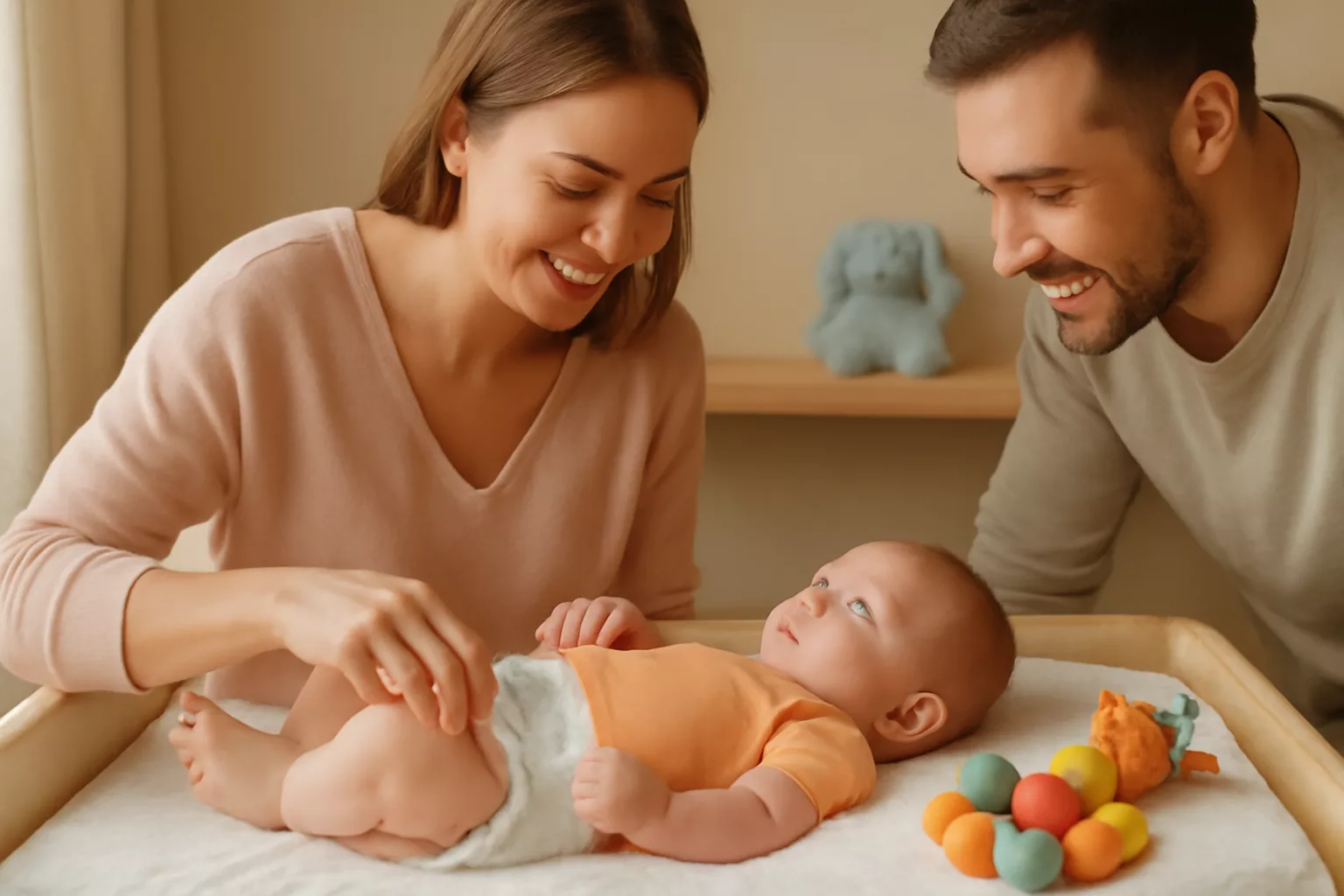
Welcoming a newborn is exciting and overwhelming. This guide brings together evidence-based early childhood development tips, practical newborn care, and simple age-appropriate activities for babies in their first year — all with life in Tolyatti in mind. Use the activities to support motor, sensory, language and social development; consult your pediatrician or local clinic for medical advice and individualized guidance.
Newborn essentials (0–1 month)
— Important items: suitable car seat, firm mattress, fitted sheets, baby clothes layered for Tolyatti’s seasons, thermometer, soft blankets, gentle baby soap, breastfeeding/pumping supplies if needed.
— First medical steps: register with a pediatrician at your local polyclinic, follow the Russian vaccination schedule as advised by your healthcare provider, attend well-baby checkups.
— Early bonding: skin-to-skin contact, breastfeeding (or responsive bottle feeding), gentle talking and eye contact.
— Sleep safety: place baby on their back to sleep; keep crib free of loose bedding, pillows, and toys. Use a firm sleep surface.
Month-by-month development and activities
These are simple, low-cost activities you can do at home or on short walks along the Volga embankment when the weather allows.
0–3 months: sensory and baseline motor skills
— What to expect: lifts head briefly, follows faces, coos, startles to loud sounds.
— Activities:
— Tummy time: several short sessions daily (start with 1–2 minutes, gradually increase).
— Face time: hold baby close, make slow facial expressions; say their name.
— Black-and-white cards or high-contrast books for visual tracking.
— Gentle nursery rhymes and soft music — sing in Russian to build early language recognition.
4–6 months: reaching, rolling, early sitting
— What to expect: rolls both ways, reaches/grabs, sits with support, babbles.
— Activities:
— Supported sitting with cushions; encourage reaching for safe toys.
— Texture exploration: supervised play with soft fabrics and safe rattles.
— “Object permanence” games: peek-a-boo, simple hiding and revealing toys.
— Water play: brief supervised baths; consider parent-and-baby swim classes after pediatric clearance.
7–9 months: crawling, purposeful play, first words
— What to expect: sits well, may crawl, responds to simple requests, says “mama” or “baba.”
— Activities:
— Crawl encouragement: place toys just out of reach to promote movement.
— Stacking, nesting cups, and push-pull toys for fine motor skills.
— Read daily: short picture books in Russian and simple repetitive phrases.
— Outdoor exploration: safe supervised crawling on blankets in parks when warm.
10–12 months: cruising, first steps, social games
— What to expect: pulls to stand, may walk, increased imitation, one or more words.
— Activities:
— Practice cruising along furniture, guided walking with hands.
— Simple cause-and-effect toys (buttons, levers).
— Playdates or group classes for social interaction.
— Encourage feeding self with finger foods (watch for choking hazards).
Sleep, feeding, and routines
— Sleep: create a consistent bedtime routine (bath, book, feed, cuddle). Expect frequent night awakenings in the first year.
— Feeding:
— Breastfeeding is recommended if possible; pediatrician can advise on supplementation and formula choices.
— Start solids around 6 months per your doctor’s guidance; introduce one new food at a time.
— Routines: consistency helps babies feel secure — regular meal, nap, and play windows support development.
Soothing and calming strategies
— Responsive caregiving: respond to cries promptly to build trust.
— Techniques: swaddling for newborns, gentle rocking, white noise, warm baths, infant massage.
— When to seek help: if baby shows persistent high-pitched crying, poor feeding, fever, or other concerning signs, contact your pediatrician or emergency care.
Safety and baby-proofing
— Basic steps:
— Secure furniture and remove small choking hazards.
— Keep medicines, cleaning supplies, and sharp objects out of reach.
— Use window guards and lock balcony doors during warm months.
— Car safety: always use an age/size-appropriate car seat installed correctly.
— Winter hazards in Tolyatti: icy sidewalks—use a baby stroller with good traction and avoid risky routes.
Language and social development
— Talk constantly: narrate routines, name objects, describe actions.
— Read daily: even a few pages supports vocabulary and attention.
— Music and rhythm: sing simple songs and rhymes in Russian; clap and move to music.
— Social play: encourage turn-taking with simple games and playdates as pandemic guidance allows.
Seasonal and local considerations for Tolyatti families
— Winters are long and cold: plan indoor activities (soft play, infant gym, library storytimes) and bundle babies with layers when going outside.
— Spring/summer: walk along the Volga embankment or in city parks for fresh air and stimulation — check stroller-friendly paths.
— Local classes: look for baby-and-me swim classes, infant massage courses, and early music programs offered at community centers. Always check reviews and medical clearance requirements.
Local resources — how to find them in Tolyatti
— Pediatric care: register at your local pediatric polyclinic; ask about well-baby visits and vaccination schedules.
— Parenting communities: search local VKontakte groups, Facebook, or Telegram channels for Tolyatti parenting meetups and secondhand baby gear exchanges.
— Libraries and cultural centers: many offer baby storytimes and early learning sessions — contact municipal libraries for schedules.
— Private services: maternity schools, baby swim clubs, lactation consultants, and baby gyms exist locally — read reviews and ask for recommendations from other parents or your pediatrician.
Practical checklist for the first year
— Register with a pediatrician and attend all well-baby visits.
— Keep an emergency contact and a list of local clinics handy.
— Prepare a safe sleep space and a properly installed car seat.
— Build a small rotation of toys: high-contrast cards, rattles, stacking cups, board books.
— Join at least one local parent support group for practical help and social connection.
Quick tips for tired parents
— Nap when the baby naps whenever possible; accept help from trusted family or friends.
— Prioritize simple meals and ask other parents in Tolyatti where they find baby supplies or meal services.
— Mental health: postpartum mood changes are common — seek support from a doctor, psychologist, or local maternal health services if you feel overwhelmed.
Final note
Every baby develops at their own pace. Use these suggestions as a flexible framework, celebrate small milestones, and reach out to Tolyatti pediatric services or parenting groups for local guidance. If you need a
Раннее развитие ребёнка: советы для родителей новорождённых и идеи активности для первого года жизни (Тольятти)

Введение
Первые 12 месяцев — время стремительных изменений: ребёнок учится дышать, смотреть, тянуться, сидеть, ползать и — наконец — делать первые шаги и слова. Для родителей это одновременно радость и большая ответственность. Ниже — практическое руководство по уходу за новорождённым, стимуляции развития по месяцам и локальные советы, адаптированные для семьи, живущей в Тольятти.
Базовый уход за новорождённым
— Кормление
— *Грудное вскармливание* обеспечивает иммунную защиту и психологический контакт. По возможности кормите по требованию, консультируйтесь с медицинским работником при проблемах с прикладыванием.
— Если вы используете смесь — готовьте и храните по инструкциям производителя, соблюдайте стерильность сосок и бутылочек.
— Сон
— Класть ребёнка спать нужно на спину на твердом матрасе без рыхлых подушек и одеял — это снижает риск СВДС.
— Создавайте регулярный режим — спокойный ритуал перед сном (купание, массаж, спокойное пение).
— Гигиена и уход
— Подмывайте по необходимости, меняйте подгузники вовремя, используйте мягкие средства для детской кожи.
— Купание 2–3 раза в неделю достаточно для новорождённых; при раздражениях — см. педиатра.
— Безопасность
— Остерегайтесь мелких предметов, острых углов. Не оставляйте ребёнка без присмотра на пеленальном столе или на высоких поверхностях.
— В доме: защитные заглушки на розетки, блокираторы шкафчиков.
— Медобслуживание
— Страховые и плановые осмотры у участкового педиатра, соблюдение национального календаря прививок. При температуре выше 38 °C, ухудшении дыхания, отказе от кормления или внезапном изменении поведения — незамедлительно к врачу.
— В экстренной ситуации звоните 112.
Развитие и занятия по возрастным группам
Ниже — набор простых, безопасных игр и упражнений, которые стимулируют крупную моторику, зрение, слух и речь.
— 0–3 месяца
— Контакт «кожа к коже» и частое общение — основа привязанности.
— Тренируйте визуальное внимание: держите лицо на расстоянии 20–30 см, используйте контрастные картинки.
— Мягкое покачивание, гимнастика: нежные сгибания/разгибания ножек и рук.
— Тренируйте тонус — короткие ежедневные «время на животике» (tummy time) по несколько минут, постепенно увеличивая.
— 3–6 месяцев
— Активнее говорите с ребёнком, повторяйте звуки, подражайте ему.
— Игрушки, которые можно держать в руке, погремушки и зеркальца.
— Упражнения на перевороты и подтягивания: держите игрушку чуть в стороне, побуждайте тянуться.
— Вода и купание: игры с безопасной температурой и небольшими игрушками.
— 6–9 месяцев
— Введение прикорма по рекомендациям педиатра; предлагайте кусочки мягкой еды (в зависимости от готовности).
— Поощряйте ползание: делайте «полосу препятствий» из подушек и безопасных опор.
— Развитие речи: читайте короткие книжки, подпевайте песенкам с простыми рифмами.
— Игры на причинно-следственные связи: простые коробки с крышками, кнопочные игрушки.
— 9–12 месяцев
— Содействуйте стоянию и первые шаги: держите малыша за руки, ставьте устойчивые опоры.
— Игры на развитие мелкой моторики: вкладыши, стаканчики, игрушечные ложки.
— Словарный запас: называйте предметы, поощряйте повторять звуки и слова.
— Социальные игры: прятки, «дай-возьми», аплодисменты — для развития эмоционального интеллекта.
Конкретные идеи активности для Тольятти
— Прогулки на свежем воздухе
— В тёплое время года прогулки вдоль Волги хороши для проветривания и неспешных наблюдений (помните о солнцезащите и головных уборах).
— Зимой — короткие прогулки, многослойная одежда, избегайте сильного ветра и переохлаждения.
— Посещайте местные детские кружки и развивающие занятия
— В Тольятти есть семейные центры и детские клубы, которые проводят занятия для малышей: музыкальные группы, занятия по раннему развитию, аквагимнастика (для младенцев под присмотром специалистов). Поискать можно на городских порталах, в группах ВКонтакте и Telegram.
— Библиотеки и культурные мероприятия
— Местные детские отделы библиотек часто проводят «вечерние чтения» и развлекательные занятия для малышей и родителей.
— Контакт с природой и сенсорные игры
— Сенсорные коробки с безопасными материалами (ткань, мягкие шарики), игры с водой, песком (под присмотром) — развивают тактильные навыки.
Режим, рутина и снабжение родителя
— Режим помогает малышу чувствовать себя в безопасности: установите гибкий, но предс
Early Childhood Development and Newborn Parenting Tips for Families in Tolyatti
Introduction
The first year is a remarkable time of growth — for both baby and parents. This guide gives practical, evidence-based tips tailored for families living in Tolyatti, Russia: newborn care basics, simple daily activities that support development, seasonal considerations, and local resource ideas.
Newborn basics (0–3 months)
— Feeding
— *Breastfeed* on demand when possible; formula as advised by your pediatrician. Aim for responsive feeding — watch baby’s hunger cues.
— Keep a feeding log for the first weeks if you need to track weight, output, or sleep patterns.
— Sleep
— Practice safe sleep: baby on their back, firm mattress, no loose bedding or soft toys.
— Expect frequent waking; newborns usually sleep 14–18 hours in 24 hours in short stretches.
— Soothing
— Try swaddling, gentle rocking, white noise, skin-to-skin contact.
— Establish calm pre-sleep routines even in early weeks: dim lights, quiet voices.
— Healthcare
— Register with a local pediatrician and follow Russia’s recommended immunization schedule.
— Attend regular checkups for weight and developmental screening.
— Maternal care
— Prioritize rest, nutrition, and postnatal checkups. Ask family or local community groups for help when needed.
Developmental milestones by age (general guide)
— 0–3 months: lifts head briefly, tracks objects with eyes, coos, responsive smile.
— 4–6 months: rolls over, reaches and grasps, babbles, sits with support.
— 7–9 months: sits unsupported, crawls or scoots, responds to name, begins finger feeding.
— 10–12 months: pulls to stand, may take first steps, uses simple gestures (bye, wave), says single words.
Note: Babies develop at their own pace. Discuss concerns with your pediatrician.
Activities to boost early development (by age group)
— 0–3 months
— Tummy time: start short sessions (1–2 minutes) several times daily, increasing gradually.
— Talk and sing: narrate simple routines in Russian to build language exposure.
— Visual stimulation: high-contrast cards, slow-moving mobiles.
— 4–6 months
— Gentle baby massage to support sensory and motor development.
— Reach-and-grasp toys: soft rattles, rings; encourage hand-to-mouth coordination.
— Read short board books and point to pictures.
— 7–9 months
— Object permanence games: hide-and-seek with toys under cloth.
— Assisted standing and cruising along furniture to strengthen legs.
— Interactive songs with clapping and movement.
— 10–12 months
— Simple problem-solving toys: stacking cups, nesting bowls.
— Encourage independent exploration in a baby-proofed area.
— Imitation play: copying daily gestures and sounds.
Frequency: short, frequent sessions (5–15 minutes) throughout the day work better than long structured sessions.
Practical tips for Tolyatti parents
— Seasonal care
— Winters can be cold: layer clothing, use wind-resistant outerwear, and limit outdoor time for young infants. For walks along the Volga embankment choose sheltered times.
— In summer, protect baby from sun and overheating.
— Indoor play in cold months
— Use community centers, libraries, or “детские центры раннего развития” for baby classes and social time. Check local “Дом культуры” schedules or VK (VKontakte) parent groups for meetups.
— Movement options
— Look for baby swimming programs (школы плавания для малышей) and music classes — both helpful for motor and social development.
— Local healthcare navigation
— Keep records of well-child visits and vaccinations (прививки) and ask your pediatrician about recommended local resources.
— Support networks
— Join local parenting groups (online or in-person) for shared advice and secondhand baby gear exchanges.
Safety essentials
— Home safety
— Secure furniture, cover outlets, keep small objects out of reach.
— Use a firm crib mattress and fitted sheet; avoid bumpers and loose bedding.
— Car safety
— Use a properly installed infant car seat that meets current standards. Follow vehicle and child weight/height guidelines.
— Temperature and bath safety
— Test bath water temperature before placing baby in it (around 36–37°C).
— Beware of choking hazards and avoid feeding honey before 1 year.
Sample daily rhythm (flexible)
— Newborn: feed — nap — awake cuddle time — diaper change — short tummy time — repeat.
— 6–12 months: morning wake & feed — active play & outing/walk — nap — feeding — learning play (reading/songs) — dinner — bedtime routine with bath and story.
When to seek professional help (red flags)
— Poor weight gain or feeding difficulties.
— No social smile by 3 months, no babbling by 6–9 months, or no attempts to sit/pull up by expected age.
— Sudden high fever, breathing problems, persistent vomiting or dehydration — seek urgent care.
Quick resource ideas in Tolyatti
— Pediatric clinics and maternity services (поликлиника, роддом): register early after birth.
— Early development centers and baby pools: check local listings and community boards.
— Libraries and cultural centers: often run baby story times and parent-child classes.
— Online communities: VK groups for Tolyatti parents can be useful for local recommendations.
Final encouragement
The first year involves many small, repeatable actions that add up: talking, cuddling, reading, safe exploration, and consistent care. Use local community resources in Tolyatti for support, and trust your instincts — when in doubt, your pediatrician is the best first contact. You’re not alone; every small moment builds a strong foundation for your child’s development.